

Artificial intelligence will be central to personalizing, predicting, and simplifying the online shopping experience. Payment methods are evolving toward invisible, fast, and frictionless options, including cryptocurrencies and “buy now, pay later” models. Smart and sustainable logistics, along with efficient last-mile delivery, will be key to customer satisfaction and reducing environmental impact. Immersive experiences and omnichannel strategies will differentiate brands, increasing engagement and conversions. Social commerce and the integration of emerging channels such as voice shopping will revolutionize digital sales strategies.
Key points
- Artificial intelligence will be central to personalizing, predicting, and simplifying the online shopping experience.
- Payment methods are evolving toward invisible, fast, and frictionless options, including cryptocurrencies and “buy now, pay later” models.
- Smart and sustainable logistics, along with efficient last-mile delivery, will be key to customer satisfaction and reducing environmental impact.
- Immersive experiences and omnichannel strategies will differentiate brands, increasing engagement and conversions.
- Social commerce and emerging channels such as voice shopping will revolutionize digital sales strategies.
Ecommerce in 2026: between advanced technology and human experience
Did you know Amazon generates up to 35% of its sales thanks to automated recommendations powered by artificial intelligence? According to Cyberclick, this reveals that the ecommerce of the future is already happening, and that subtle differences in personalization and agility can determine the profitability of an online store.
In 2026, selling online will be much more than offering products; it will mean designing smooth and memorable experiences where technology and empathy intertwine. If you run an ecommerce store or plan to launch one, anticipating 2026 ecommerce trends in payments, shipping, conversions, and user experience isn’t optional — it’s the foundation to compete in a hypercompetitive market full of options and stimuli.
Reference source: ecommerce-news.es.
AI and personalization: the silent engine of conversion
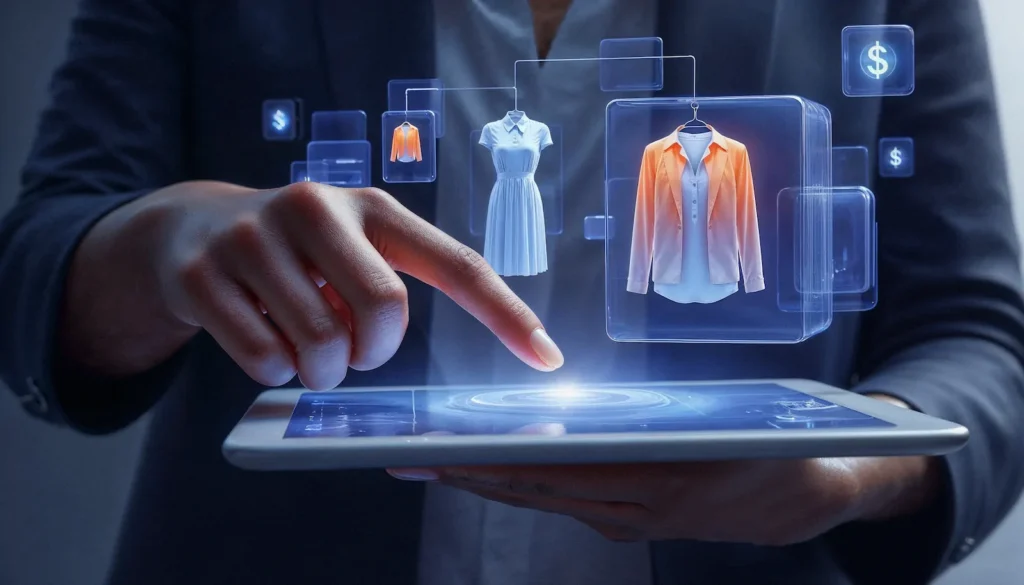
How do major platforms know what to show you at the exact right moment? The answer lies in artificial intelligence and predictive analytics. By 2026, these algorithms will not only recommend products but also dynamically adjust prices, anticipating demand and personalizing offers. Read more on Cyberclick.
Practical example of AI in ecommerce
Think of Amazon or Mercado Libre: every suggestion (“you may also like…”) is driven by thousands of real-time signals (your searches, clicks, chats, history). The result is a website that seems to “think” for you and that, according to Cyberclick, generates up to 35% of sales solely through automated recommendations.
To achieve similar results in your business, you need two key elements:
- A professional web design that collects browsing data and offers a flawless visual and functional environment.
- AI-powered solutions that automate promotions, pricing, and recommendations in real time, adapting to each user.
Many ecommerce stores underestimate the importance of custom integrations; generic platforms fall short when it comes to advanced personalization.
Digital payments: from friction to “just-walk-out”
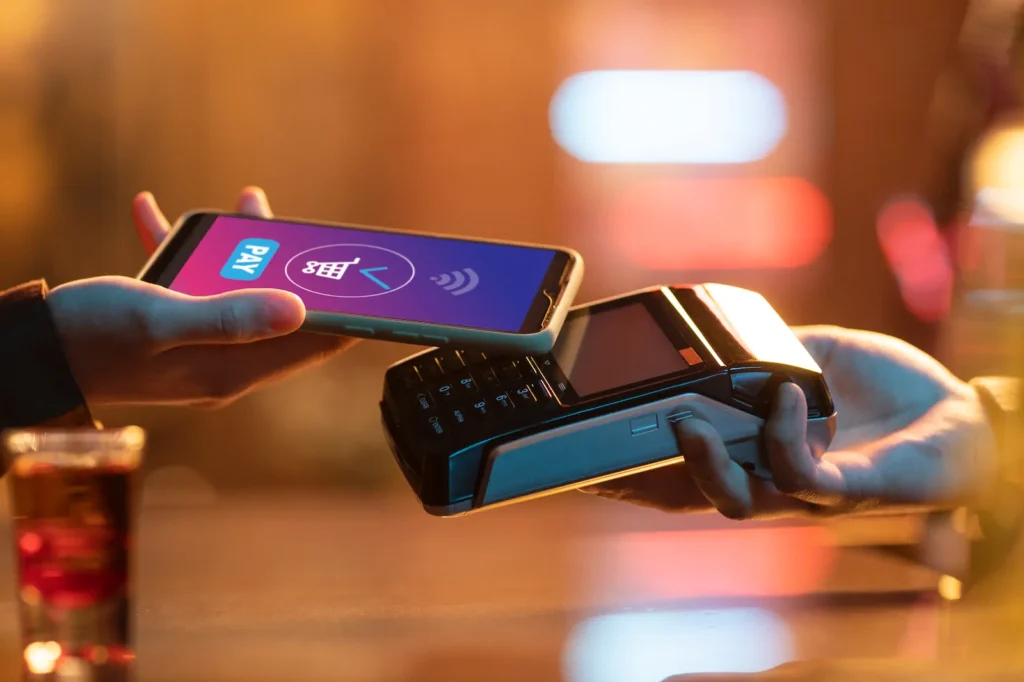
The future of online payments will be invisible: platforms, banks, and wallets are integrating to eliminate bottlenecks at checkout. “Buy now, pay later,” cash-on-delivery, and especially cryptocurrencies will become standard payment methods. More on payment trends at ecommerce-news.es.
The challenge of frictionless payment
No one enjoys filling long forms or worrying about fraud; in fact, 69% of carts are abandoned due to complex payment experiences. Data from Shopify. That’s why the trend is moving toward “just-walk-out” experiences, where automatic identification and contactless payments remove lines, unnecessary steps, and concerns.
To leverage this evolution, your store must be equipped with secure, flexible, and up-to-date payment gateways. It’s common for successful businesses to redesign their website or launch a new ecommerce platform to integrate next-generation payment options.
What should you consider for 2026?
- Integration with digital wallets and methods like Apple Pay, Google Pay, and cryptocurrencies.
- Optimized checkout: from user validation to billing.
- Installment payments or “Buy Now, Pay Later” (BNPL) as a preferred alternative.
Smart logistics: last-mile efficiency and sustainability at the center
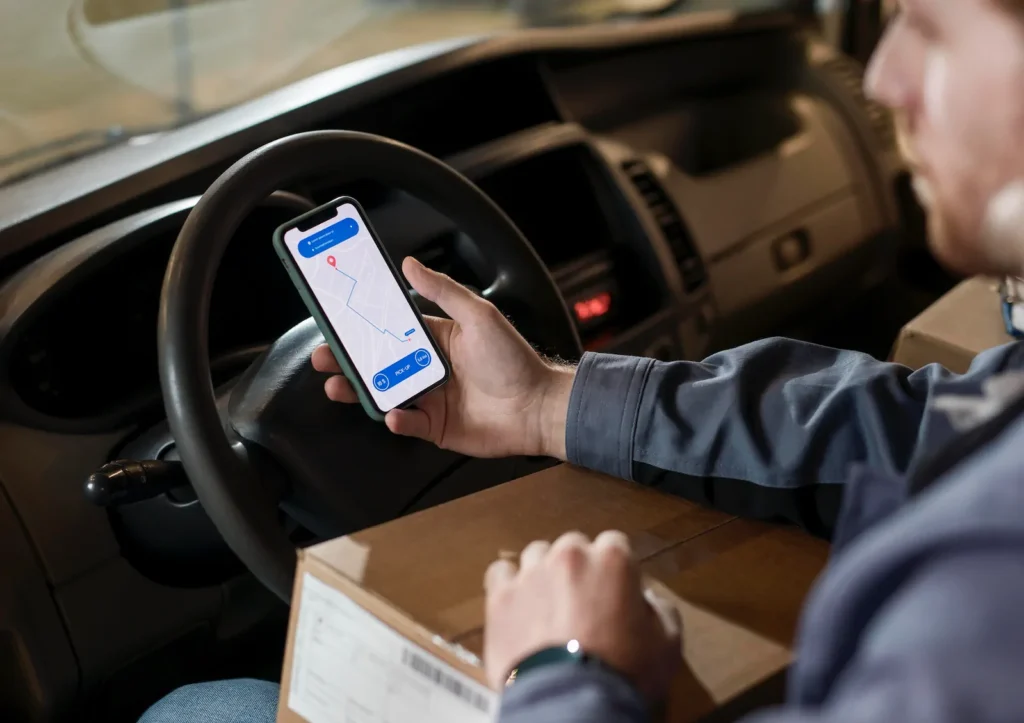
In 2026, delivery and shipping will be more than speed: they will be synonymous with precision, transparency, and sustainability. Read the analysis on ecommerce-news.es. Electric vehicles, delivery robots, and predictive routing software will become the norm.
Automation and ecological visibility
Consumers will demand visibility into the environmental impact of every shipment. Leading stores will showcase sustainability dashboards and offer on-demand delivery options, including multi-carrier solutions. The advantage: increased satisfaction, fewer returns, and optimized resources.
If your ecommerce still lacks custom development features for logistics adjustments, it’s time to rethink your platform’s architecture.
Immersive experiences: from “seeing products” to living them through augmented reality
What if your customers could “try” a couch or simulate a garment without leaving home? By 2026, augmented reality (AR) and mixed reality will no longer be extras; they will be central elements of value propositions. See examples and trends at ecommerce-news.es.
- 3D virtual stores, instant clothing try-ons, and product walkthroughs with adaptive modeling.
- Reduced returns and increased time on page thanks to a high-level visual and functional experience.
- Secure processors running local simulations to protect user privacy.
The most common mistake is thinking user experience only depends on the catalog; in reality, it’s the sum of design, technology, and high-quality interactive content.
Social commerce: when social media becomes the main sales channel

Social networks no longer just inspire purchases: by 2026, they will be the main sales channel for many brands, integrating catalog, inventory, payments, and customer support in one place. Source: ecommerce-news.es. Amazon, Instagram, and TikTok are evolving into intelligent marketplaces managed by affinity algorithms and influencer-led micro-stores.
Metrics are changing: emotional engagement and trust matter more than follower count. Investing in engaging digital content will be essential to stand out and capture attention among thousands of similar competitors, leveraging relevance and virality.
Omnichannel strategies, headless commerce, and Allbound
By 2026, omnichannel strategies will move from “desirable” to essential. Sales, marketing, and support teams must coordinate communication and branding across all channels, supported by unified data ecosystems. Learn about Allbound at ecommerce-news.es.
Adopting “headless commerce,” where the backend is separated from the frontend, will bring agility, reduce maintenance costs, and enable continuous integration of catalogs across various interfaces (web, apps, social media, marketplaces).
Turn your store into a flexible, connected, and scalable platform by choosing custom web solutions with integrated technical maintenance and scalability.
Subscription models: stable revenue and loyal customers

The subscription economy will continue growing and is expected to surpass two trillion dollars globally by 2026. Data available at ecommerce-news.es. Automated billing, transparency, and recurring experiences are becoming decisive drivers.
If your offer can consistently deliver value —products, software, services, content— recurring revenue will allow you to invest in more robust SEO strategies for businesses and long-term marketing campaigns.
Emerging channels: streaming, voice, and new touchpoints

Ecommerce in 2026 will diversify its channels beyond the traditional website. See the ShippyPro blog. Notable examples include:
- Live streaming shopping with product demonstrations and instant response to questions.
- Voice commerce, where virtual assistants process orders via voice commands.
- Integration with smart home devices that detect needs and suggest purchases instantly.
Brands that master more touchpoints and maintain consistency across all of them will gain a competitive advantage in attracting and retaining customers.
Frequently asked questions about ecommerce trends in 2026
How can I prepare for future digital payments?
Invest in a flexible platform compatible with digital wallets, frictionless payments, and digital currencies. Evaluate integrating automated payments, “buy now, pay later,” and cryptocurrencies. Protect user experience from the first click to delivery by periodically updating your payment methods and web design.
Which technologies will enhance personalization and conversion in my online store?
The key for 2026 is artificial intelligence, which enables audience segmentation, real-time data analysis, and dynamic promotions and pricing. Betting on custom platform development will allow you to leverage these technologies and differentiate yourself for an increasingly demanding audience.
Is logistics automation viable for SMEs and emerging businesses?
Yes, automation is accessible even to medium-sized businesses thanks to modular and SaaS-based logistics solutions. A progressive approach —starting with multi-carrier setups, automated tracking, and flexible delivery options— can significantly improve efficiency and customer experience.
What impact does social commerce have on content and sales strategies?
Social commerce requires personalized content, strong visual strategies, and a deep understanding of social media behavior. Investing in high-impact content creation will help communicate value and build trust, driving engagement and conversions across multiple platforms.
Important aspects to keep in mind
Ecommerce in 2026 will demand agility, innovative thinking, and genuine attention to users. Technology is essential, but what will truly differentiate your brand is your ability to combine automation and personalization without losing the human touch. Anticipate trends, strengthen key channels, and remember: the innovation cycle never stops.
Boost your digital presence today

Do you want your ecommerce to be truly competitive in 2026? At Source Code, we help you build online stores, customize your platform, and scale your business with the most innovative technologies. Schedule a call with no obligation and discover how to make your online store sell more with less friction and greater customer loyalty. If you’re ready for the next step, contact us.